
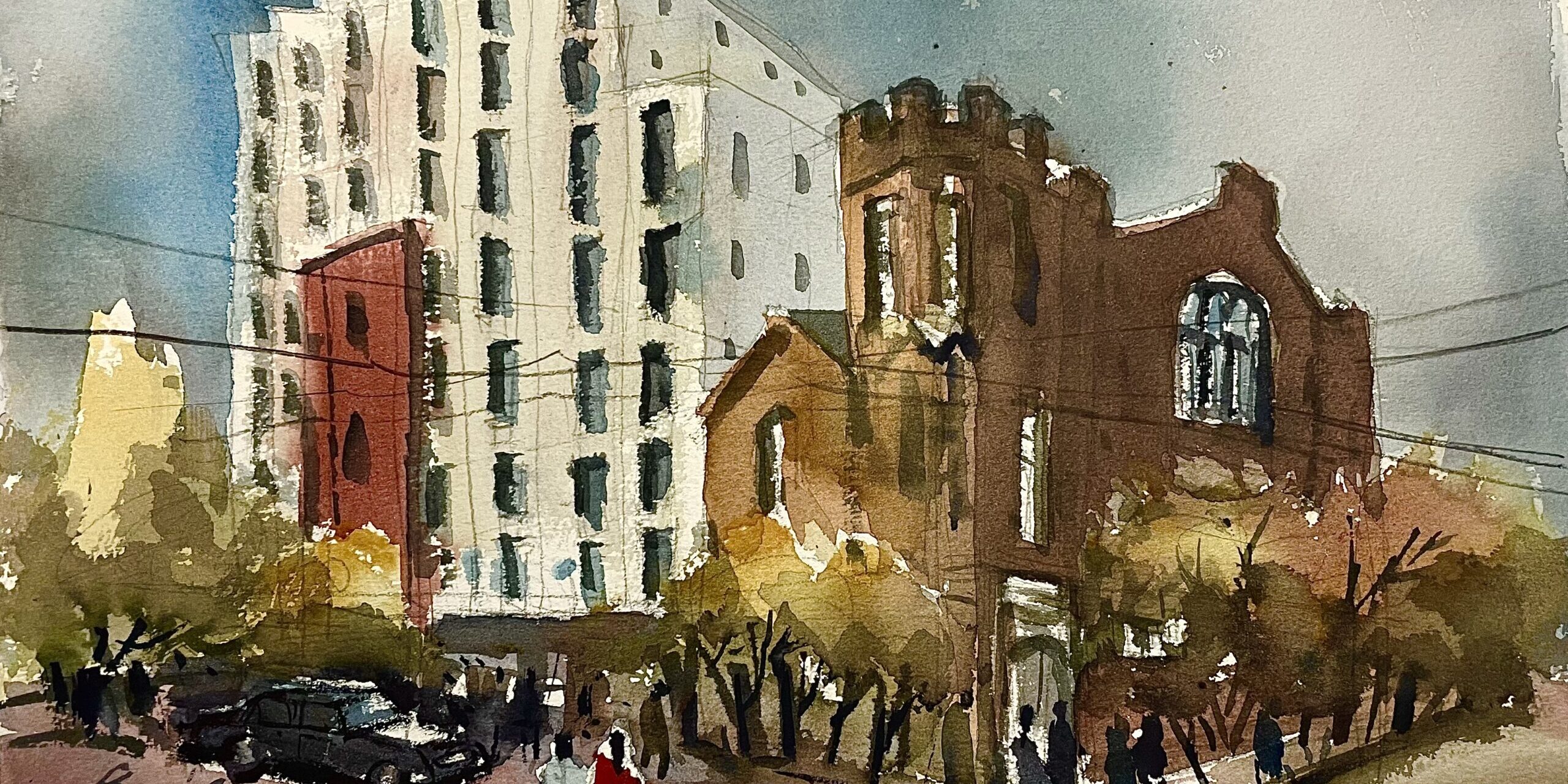
Painting of 60 Bowden St. by Architect, Farid Ahmadi
Before the first shovel hits the ground, a project must pass through a complex landscape of regulations, codes, and community expectations. In development, this is referred to as the entitlements phase: the critical preconstruction work that makes a project buildable. As a turnkey building provider, Assembly offers more than traditional design-build services. We support development and planning management from the earliest stages of a project, helping secure approvals while ensuring the design is aligned with Modern Methods of Construction (MMC) from the outset.
Our work at 60 Bowden Street on behalf of WoodGreen Community Services is a vivid example. Together, we are transforming a historic church site built in 1931 on Toronto’s Danforth Avenue into an eight-storey, 50-unit affordable seniors’ housing project that blends adaptive reuse with mass timber innovation. Throughout the preconstruction phase, one principle guided the work: innovative building methods require creative planning solutions.
Minor Variances: Refinement Over Rezoning
The project was funded through the Rapid Housing Initiative (RHI), a program designed to support projects that could move quickly. Faced with a site constrained by zoning that limited the built form, the project needed swift entitlements to match its eight-storey ambition. To qualify for RHI, proposals generally needed to be shovel-ready or capable of delivering units within a short timeframe – within 12 to 18 months depending on the stream and location.
That funding created both an opportunity and a challenge. A full rezoning process would have added significant time to the schedule, while the purpose of the RHI was to accelerate housing delivery. Working collaboratively with planning staff and the Ward Councillor, Assembly pursued minor variances rather than a full rezoning, creating a faster and more efficient approval path with a lower risk of appeal. In most circumstances, the amount of variances would not be permitted by the City, but Assembly proved the plans abided by the upcoming secondary plan which was soon to be enacted. The collaboration between Assembly and the City of Toronto allowed the project to move forward on an expedited timeline. It also became the first project in the City to use the Danforth Urban Design Guidelines as a basis of design.
This kind of approach reflects what Assembly does best: finding practical, collaborative ways to align policy, design, and community benefit. For planners and developers, it is a reminder that Ontario’s planning framework has room for flexibility when projects are thoughtfully designed.
Alternative Solutions: Building Confidence in Innovation
Although cross-laminated timber, or CLT, is widely recognized for its sustainability and performance, innovative building systems can still meet regulatory friction. Assembly has been working at the edge of code adaptation since the company was founded in 2017, helping bring new methods into practical use through clear technical solutions and disciplined delivery.
At 60 Bowden Street, two alternative solutions were sought and approved, one of which allowed for an increase in the mass timber encapsulation rate. As a requirement under the Ontario Building Code (OBC) there is a prescribed maximum percentage of timber that is permitted to be exposed, while the rest must be covered in fire resistant materials. This percentage is what is known as the encapsulation rate.
At the time, the OBC took a more conservative approach to encapsulation rates than the National Building Code of Canada and several other provincial codes. Drawing on available research and a history of successful approvals, Assembly worked to advance a technically sound solution that reduced the required encapsulation rate while maintaining safety and performance. Exposing the mass timber adds a beautiful design feature, a biophilic connection between the built and natural environment, and saves money through reduced material costs.
During the project’s pre-development phase the updated OBC was enacted, which formally adopted the reduced encapsulation rate, no longer requiring alternative solutions for any future projects. This was not the case in 2018, when Assembly built Ontario’s first six storey all wood mass timber residential project. The alternative solutions posed then were on the frontlines of innovation and were catalytic solutions pushing the OBC to be more adaptive to MMC methods integral to reaching housing targets. The history of Assembly’s building portfolio is filled with solutions eventually adopted in the updated code.
For the development community, the lesson is clear: when used thoughtfully, alternative solutions can expand the industry’s comfort zone and create a path for broader adoption of more advanced building methods.
A City-Led Case Study in Clarity: Single Stair Egress
A prime example of this approach gaining broader recognition is the City of Toronto’s recent feasibility study and guidance on single-stair egress for mid-rise residential buildings (up to 4 storeys). We’re encouraged to see the City begin to formalize this as a transparent alternative solution framework, making it easier for developers to prove safety across key categories like number of exits and travel distances, corridor/layout constraints, fire and life safety systems, and emergency response operations.
This move aligns perfectly with Assembly’s philosophy: when common alternative solutions like single-stair are acknowledged with clear guidelines, planning becomes more predictable and housing delivery accelerates. We’d love to see more innovations treated this way, unlocking missing middle housing at scale.
Read more about the City of Toronto’s Single Stair Exit Feasibility Study ›
What other alternative solutions should get this level of public clarity?
Environmental Stewardship: The Case of the Chimney Swifts
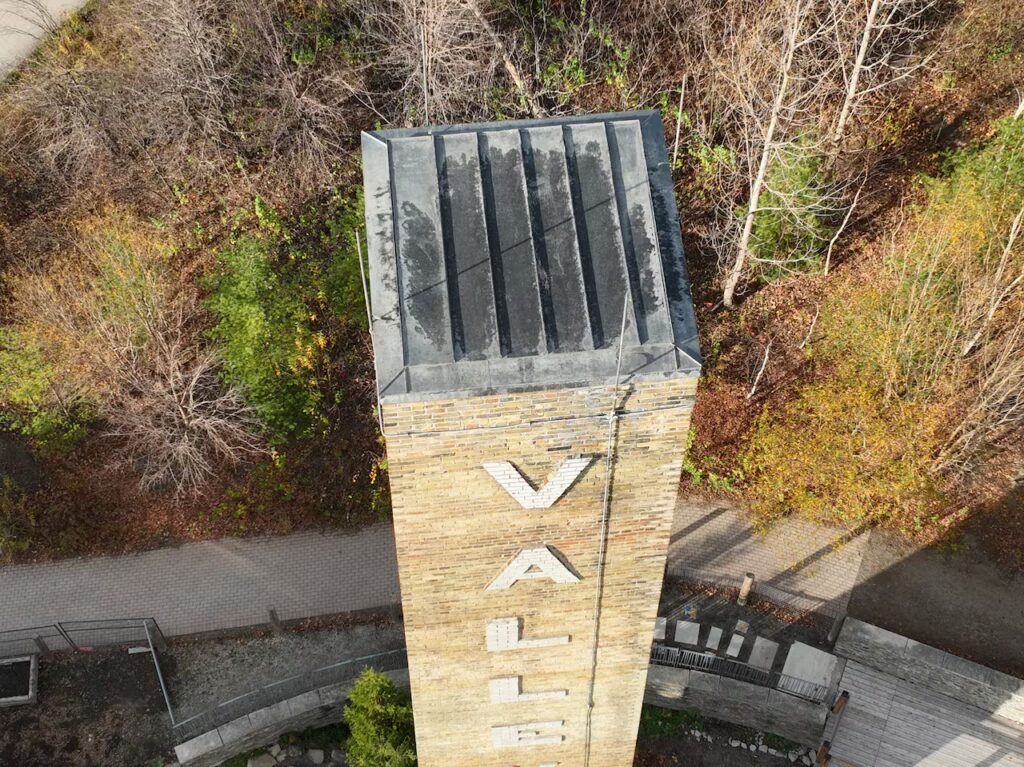
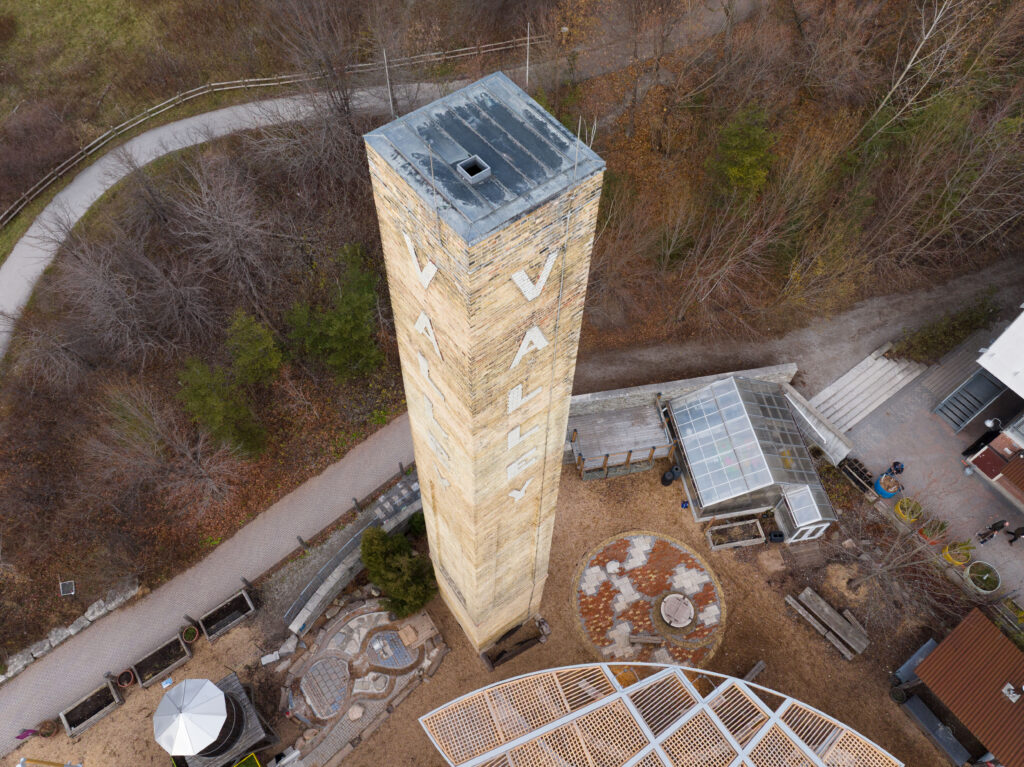
Entitlements extend beyond planning and code. They also touch ecology, and at 60 Bowden, that meant considering the presence of chimney swifts nesting in the church columns. Because chimney swifts are protected under the Species at Risk Act, finding a suitable rehoming solution was necessary before demolition could proceed.
Once again, the Rapid Housing Initiative timeline created a challenge: how do you protect a species at risk while keeping an urgent affordable housing project on schedule? The answer required creativity, coordination, and a willingness to think beyond the usual process, one that would be time and cost prohibitive.
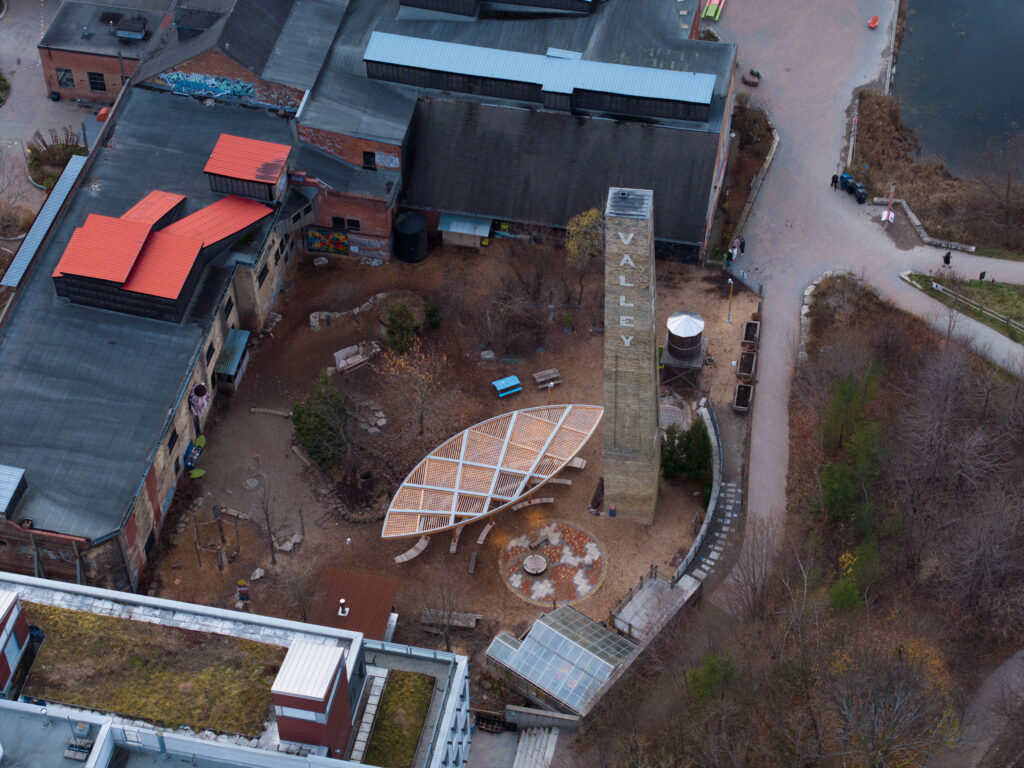
Assembly CEO, Geoff Cape helped lead that effort. Drawing on his previous role as Founder and CEO of Evergreen, he facilitated a community partnership that enabled the birds to be rehomed at Evergreen Brick Works, one of Toronto’s most biodiverse habitats. The result was a meaningful balance between ecological responsibility and housing delivery: demolition could proceed in compliance with funding requirements, and the chimney swifts found a new protected home.
Closing Thoughts
At Assembly, our turnkey approach brings design, construction, and entitlement expertise under one roof. That means we can think across the full project lifecycle, from early planning through execution, and help create solutions that are both technically sound and socially valuable.
The work at 60 Bowden shows what becomes possible when creativity, collaboration, and community focus are part of the process from day one. We are grateful to WoodGreen Community Services for their vision and leadership in advancing affordable, sustainable housing.
We also invite the broader planning and development community to keep pushing this conversation forward: What other alternative solutions should be made more transparent? How can we make progressive change easier to achieve?